
🚀 A BCI That Lasts 20 Years Requires Solving 4 Biological Problems
Why BCIs Fail Series: Post 20

🤝 We have spent the last decade learning why brain implants fail. It is worth stepping back to ask what success would actually look like, what a BCI that functions reliably for 10, 20, or 30 years would require to be true.
The answer is not simply a better electrode. It is a different relationship between the device and the biology around it.
🏗️ A durable BCI would need to be implanted without disrupting the vascular architecture that supplies oxygen and nutrients to the neurons it’s recording from. It would need to be small enough to avoid triggering a substantial foreign body response, or coated with materials that redirect rather than suppress that response. It would need to exist in a tissue environment where oligodendrocytes remain healthy enough to support sustained neural activity, and where lysosomes remain functional enough to clear cellular waste. It would need to deliver stimulation in patterns that engage the brain’s natural circuit dynamics rather than overriding them in ways that accelerate fatigue.
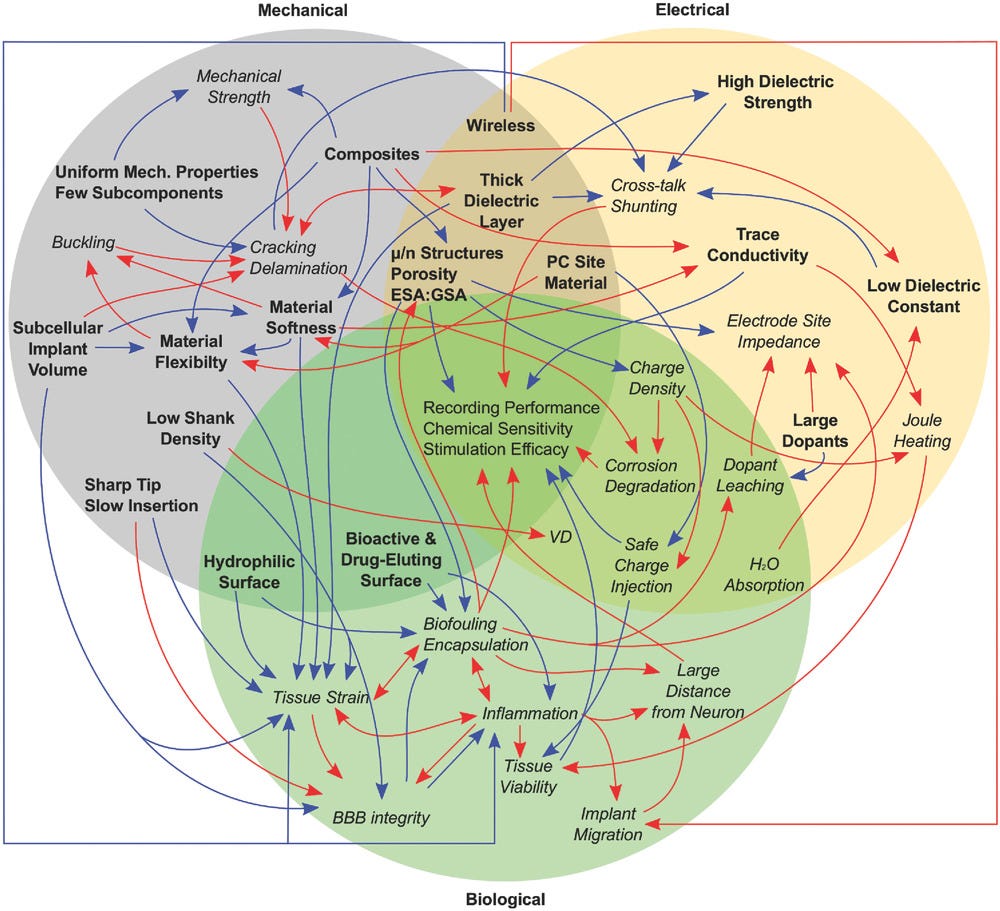
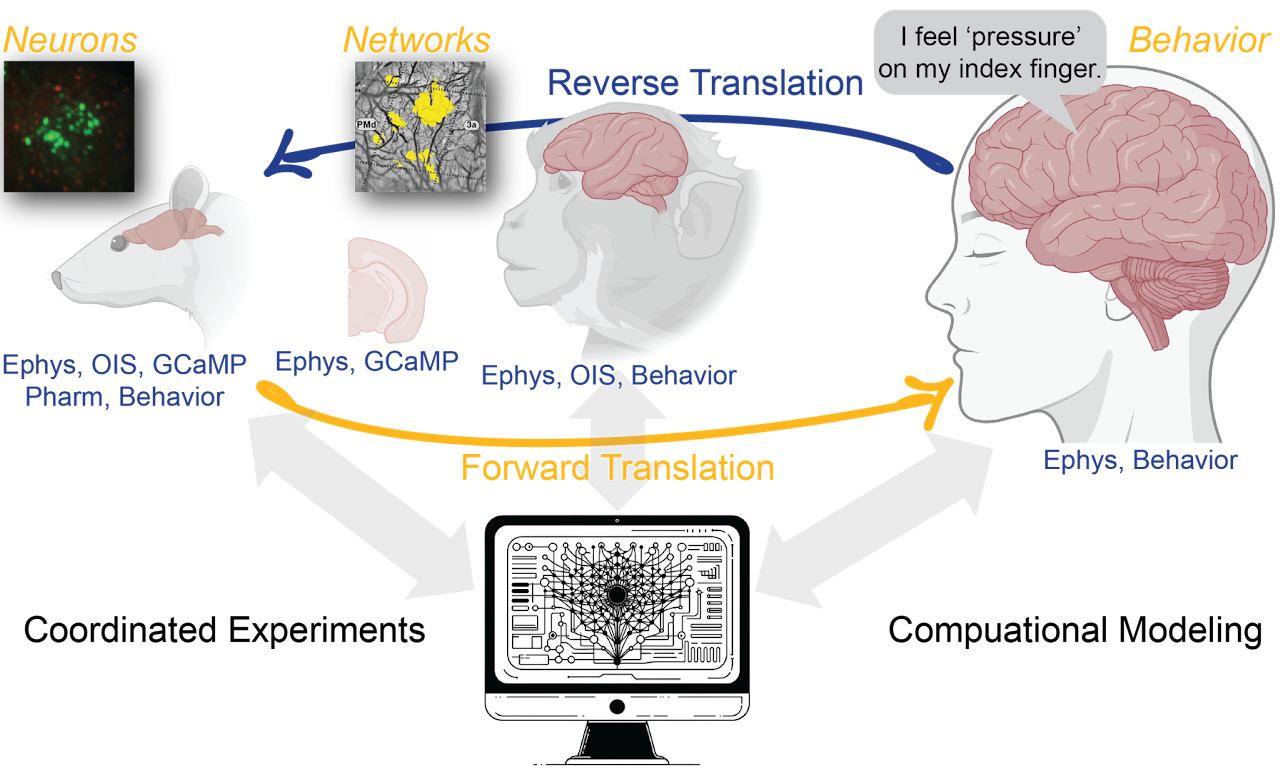
📋 None of these requirements are individually beyond reach. Several are actively being addressed in research labs around the world. The challenge is that they have mostly been addressed in isolation, better materials science here, better surgical technique there, better stimulation parameters somewhere else, without a unifying framework that treats the brain as the sophisticated biological system it is.
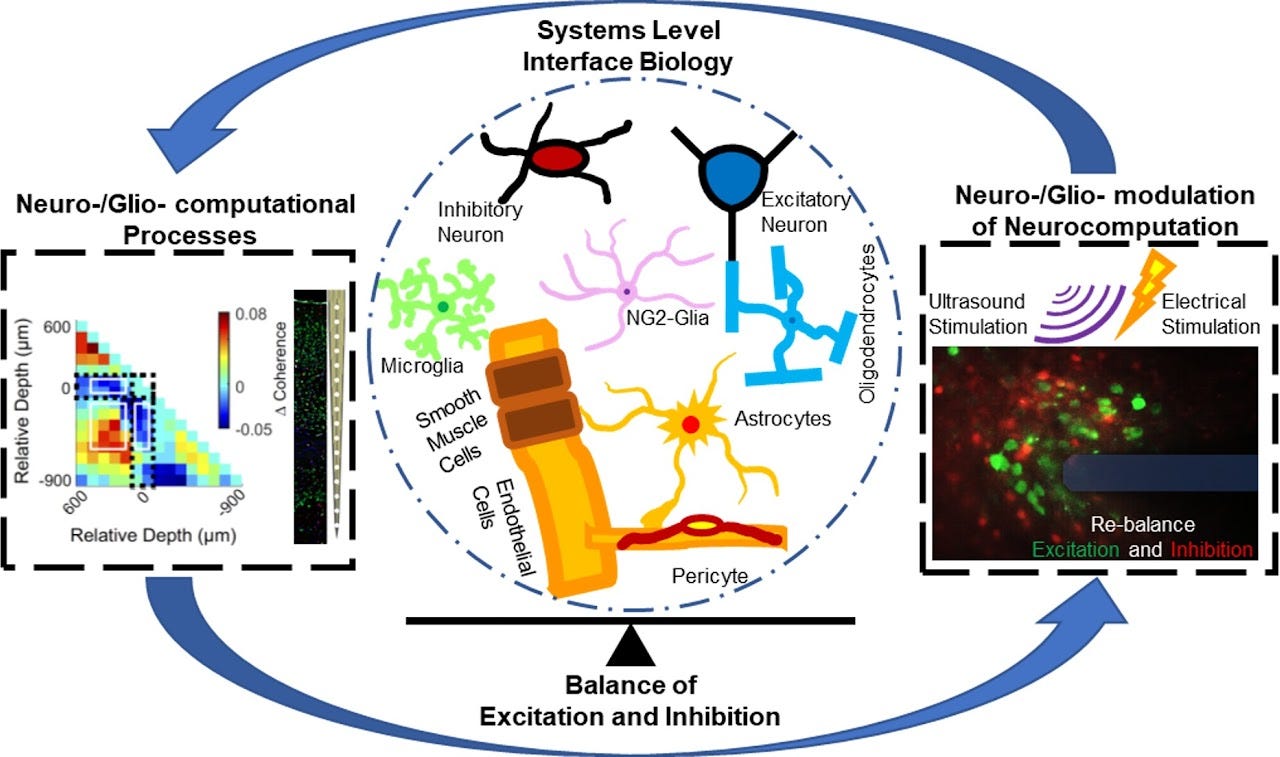
🔬 My lab’s contribution to that framework is the recognition that non-neuronal cells are not obstacles to BCI function, they are participants in it. Oligodendrocytes, microglia, astrocytes, and pericytes each play roles in determining whether the neural tissue around an electrode remains healthy, active, and recordable over time. Designing devices and interventions that work with those cell types rather than against them is, I believe, the most underinvested area in the entire field.
🔎 ⚙️ 🩺 This is not a criticism of the engineers and clinicians pushing the technology forward. It is an observation about where the scientific gaps are, and where I think the next decade of research needs to focus. The devices are getting better. The biology hasn’t changed.
Engineering (Adv Func Mat): https://lnkd.in/eqtrZAcB
Biology (Nature BME): https://lnkd.in/ebB5H4K
Stimulation (Nature BME): https://lnkd.in/enHUqypN
Materials (Nature Materials): https://lnkd.in/epWswUdi
Modulation (Nature Communication): https://lnkd.in/g9Zz-TNi
Lab: https://www.bioniclab.org/
#Neurotechnology #BrainComputerInterface #Bioengineering #NeuralEngineering #Innovation